If you or someone in your family has been told they need a "Whipple procedure," feeling scared and overwhelmed is completely natural. Here is the clear truth: the Whipple surgery (known medically as a pancreaticoduodenectomy) is a proven, life-saving operation designed to safely remove growths or tumors from the head of the pancreas and reconnect your digestive channels so you can eat, digest food, and return to normal life.
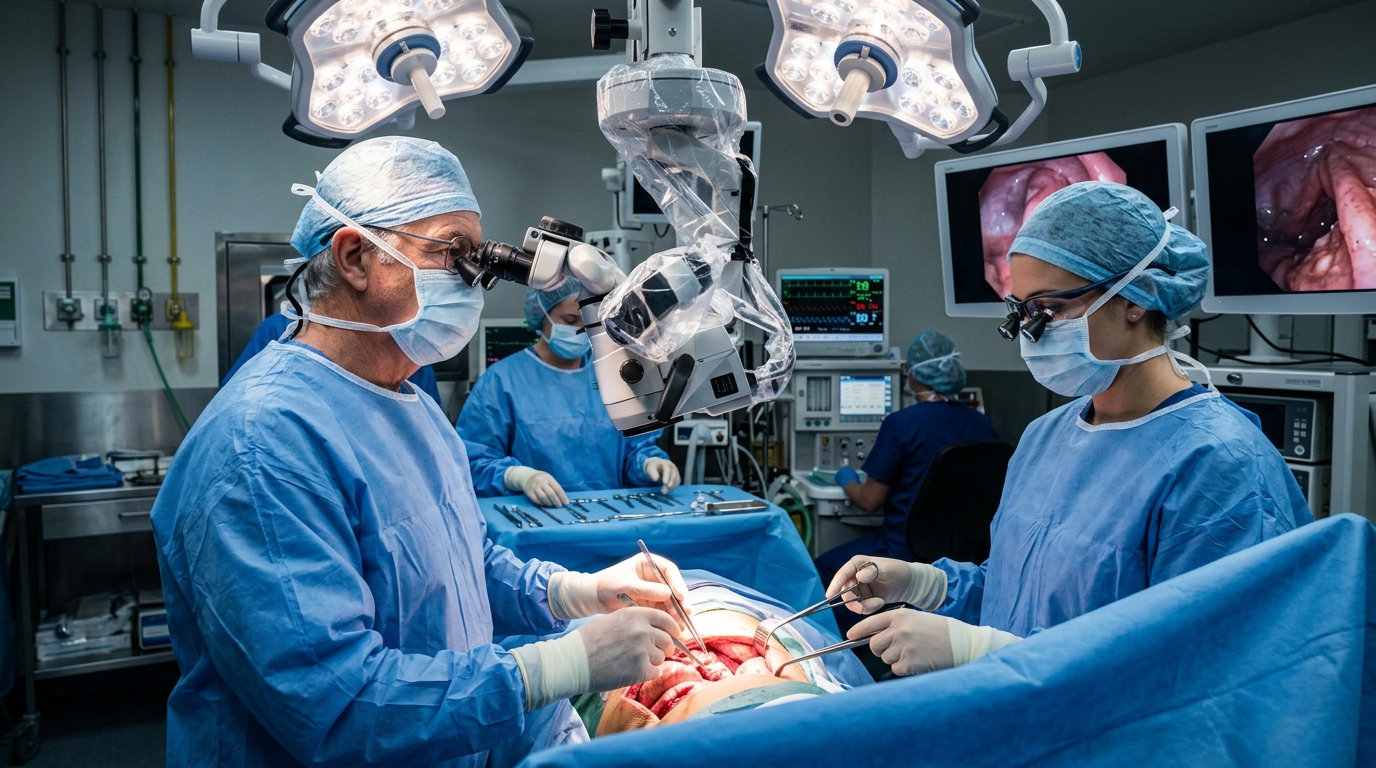
When Is Whipple Surgery Recommended?
Dr. Naresh Gabani carefully reviews high-definition contrast CT or MRI scans with the patient and their family to confirm whether surgery is the right, safest path. Common reasons include:
- Tumors in the Head of the Pancreas: Growths located in the right side of the pancreas (the head), safely removed before they spread.
- Bile Duct & Junction Growths (Ampullary Tumors): Growths located where the bile duct meets the intestine. These often cause early yellow eyes (jaundice), allowing for early detection and high cure rates.
- Certain Pancreatic Cysts (IPMN): Fluid-filled pockets that show signs of growing or turning pre-cancerous, removed early for permanent peace of mind.
- Slow-Growing Neuroendocrine Tumors: Non-aggressive tumors that can be cured completely with surgical removal.
- Duodenal or Small Intestine Tumors: Growths in the first curve of the intestine adjacent to the pancreas.
What Happens During the Operation? (Step-by-Step)
The Whipple surgery is carried out in two careful stages:
1. Gentle Removal of the Diseased Portion
The surgeon carefully removes the head of the pancreas containing the growth, along with the gallbladder, the lower portion of the bile duct, and the small adjacent intestinal curve (duodenum). Whenever possible, Dr. Gabani preserves the natural stomach valve (the pylorus) so that food empties normally after surgery, preventing nausea and indigestion.
2. Careful Reconnection of Digestion (The 3 Reconnecting Bridges)
To ensure food, bile, and natural juices flow smoothly, three delicate connections are created with your small intestine:
- Reconnecting the Pancreas Tail: Connects the remaining healthy part of your pancreas to the intestine so you keep producing natural digestive enzymes and insulin.
- Reconnecting the Bile Duct: Creates a smooth new bridge for bile to flow freely from your liver, resolving yellow jaundice and skin itching immediately.
- Reconnecting the Stomach: Attaches the stomach to the intestine so that normal, everyday food passes smoothly and digests comfortably.
Why Experience & SGPGI Discipline Matter
Because the pancreas is a soft, delicate organ surrounded by major blood vessels, precision matters immensely. Trained under India's top surgical masters at SGPGI Lucknow, Dr. Naresh Gabani adheres to strict gentle-tissue handling and micro-suturing techniques that dramatically lower complication risks and protect long-term digestive health.
Your Day-by-Day Hospital Recovery Roadmap
- Days 1–2: Sitting comfortably in bed, gentle breathing exercises, and taking your first steps with our nursing team.
- Days 3–4: Starting light sips of water, coconut water, and clear warm soups as your digestive system wakes up.
- Days 5–7: Progressing to comforting home-style soft food (like warm moong dal khichdi and boiled vegetables).
- Days 8–10: Heading home with personalized dietary guidance, simple enzyme capsule instructions, and round-the-clock doctor support.